Telling A Good Story
Leave a commentFebruary 1, 2026 by Dr. Robbie Barber
Sam Helnick, current ALA President, has said repeatedly, we need to share our stories. Telling our stories helps others understand what we do, how we do it, what problems we encounter, and what success looks like. I know that my mom (a 30+ year elementary teacher) initially thought that becoming a school librarian meant sitting on the floor and reading aloud to students all day. [NOTE: I have in fact read aloud to my middle and high school students. Of course, I did it during tornado drills when they were lined up on the floor facing the walls for protection. But, it’s a wonderful time to read one of Kipling’s Just So Stories. I had a captive audience, after all.]
Over the years, I have tried different mediums to tell my stories. I can provide observational data, statistical data, and personal experiences and interpretations. The key is to recognize that data is flexible and everyone should dig deeper to understand it.
For example,
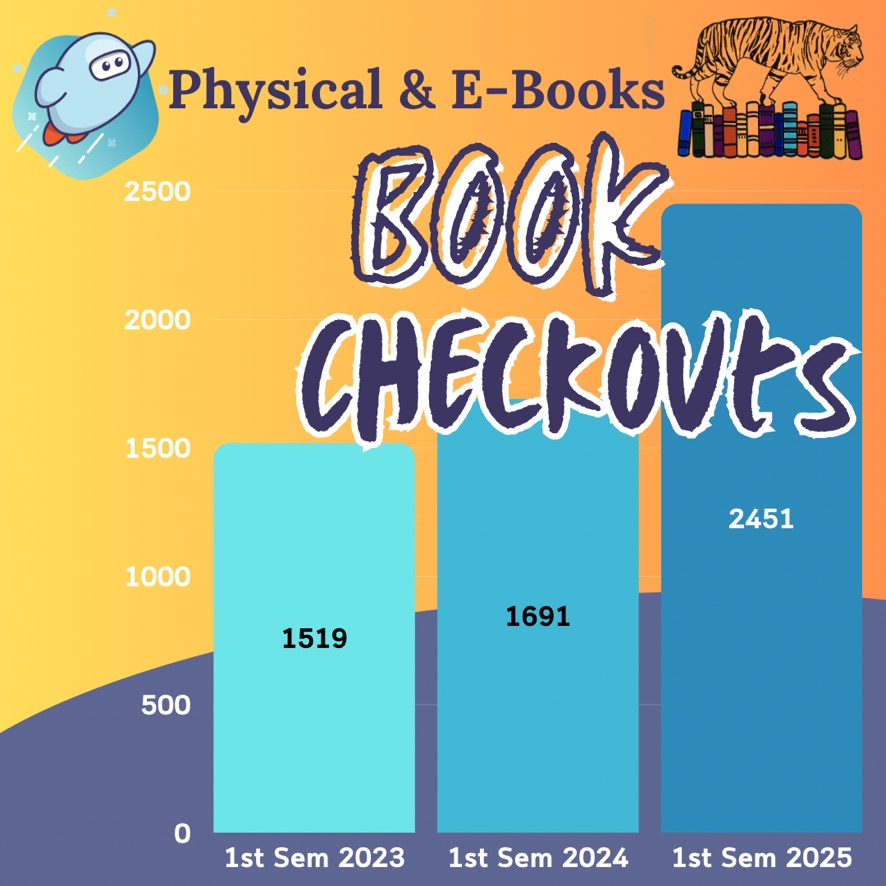
Comparison chart of book checkouts of three years of Fall Semesters
On the surface, this looks fantastic with book checkouts growing with a huge jump this past Fall. Wow! But, we need to ask questions. What made the numbers change? Did the student population grow over three years or reduce? Was there a program that made the difference? In fact, this is due to a number of factors. After COVID lockdowns, the students did not want to read online, they wanted physical books. Then, as we moved further away from that experience, e-books and e-audiobooks started a resurgence. In fact, e-audiobooks are still on the rise as more teachers are now requesting them. Yah! I get to claim some influence here because I have been talking to teachers about helping our struggling students with having both the physical book and the e-audiobook together to help. Another major change was having the English department embrace more personal reading choices. They brought more classes to the library this Fall than ever before. Wohoo!
Another important feature of a good story is connecting the pretty picture to a story. I can tell a story of a student who’s reading test scores were shockingly low. But working with the student to connect a physical book and e-audiobook together helped. Then the student moved up into novels in verse (ask your librarian!). His scores continue to climb as he is proudly applying to college this year. Did I help? Yes, I think so. Did his teachers help? Absolutely. In fact, when we work together we can help students rise beyond our wildest dreams. The student successes are not mine; they are ours (including the student).
I always start with data in my stories. I understand numbers fairly well having started adulthood as an engineer. But, I have written many a grant proposal and I have learned that the emotional story is needed too. Others may have a personal story first and then see how it weaves into the larger picture with data.
I want to share the story of having a weekly newsletter from the Media Center / School Library. I have always thought that the library is so much more than the walls of a specific room in the building.
Since August 2018, I have created (with teacher support), a weekly newsletter offering help with technology and/or the library. The original concept was to hang them in the staff bathrooms. In March 2020, it switched to email. In August 2020, I switched back to printing and hanging in the bathrooms and the teachers complained loudly. Now, it’s emailed at 7:30 a.m. every Monday morning during the school year and printed for staff bathrooms. The Tiger’s Tissue Tabloid has covered items like using school software; how to effectively use software like Chrome, Canvas, and Canva; suggestions for organizing wires around your desk; how to set your camera for remote (lighting and appearance); and even Finals Week Bingo for teachers to earn silly prizes. The ideas each week are often provided by teachers in the school. The newsletter has gained some notoriety so that when teachers leave the building, they request copies be emailed to them at their new location. There are a few district-level coordinators who also ask to receive a copy.
Every semester, I ask teachers to let me know what works and what doesn’t. I use it as a chance for personal reflection and to help hone the product. I do not take for granted that what I’m doing is fine and they can read it or not. If it’s not being read, then I’m wasting time on a perfectly good Sunday to put the newsletter together.
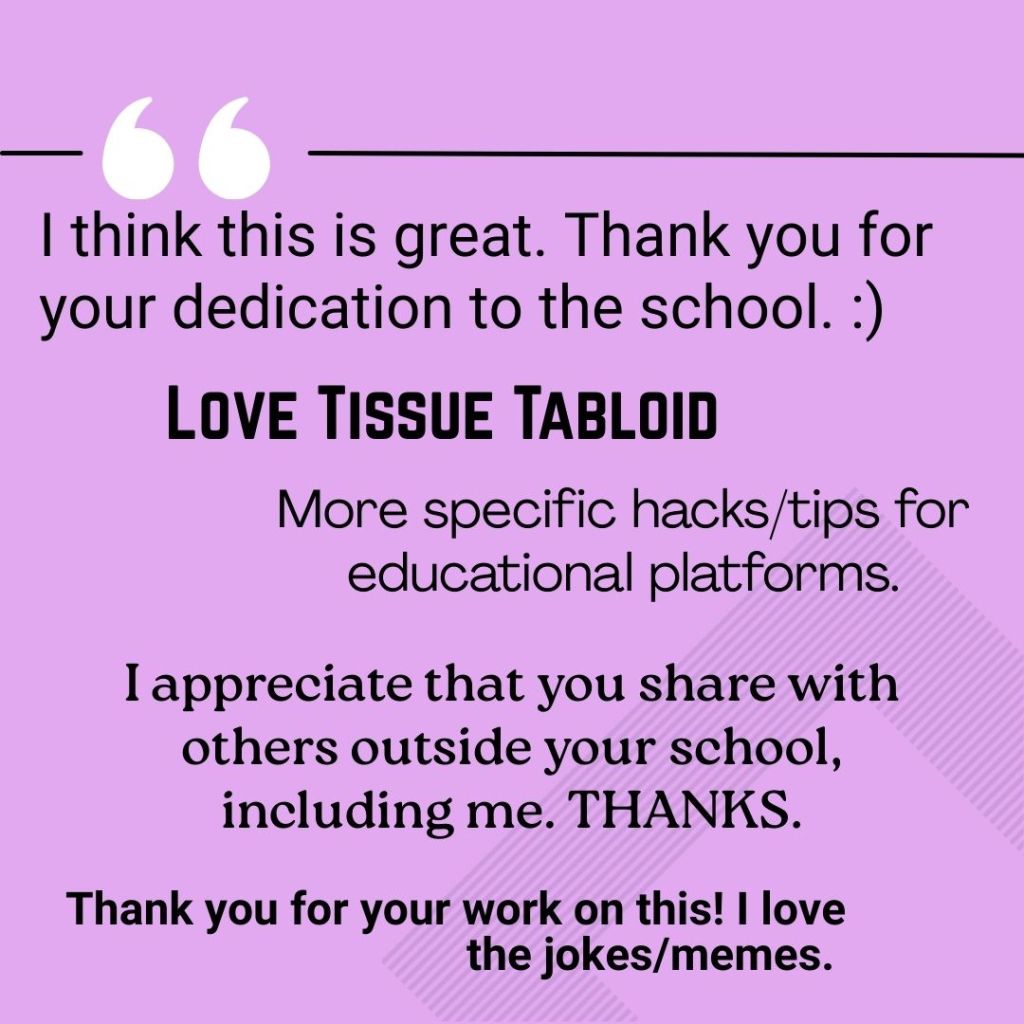
Faculty & staff can click through lists of subjects to say if they used it, didn’t care, or want it repeated. Plus, I always give space for comments.
From the data I collect, I can see more teachers using the information in the Tabloid. And, I increase the number of classes I teach to help explain technology, research, or presentation skills to the students. It’s a win-win scenario!
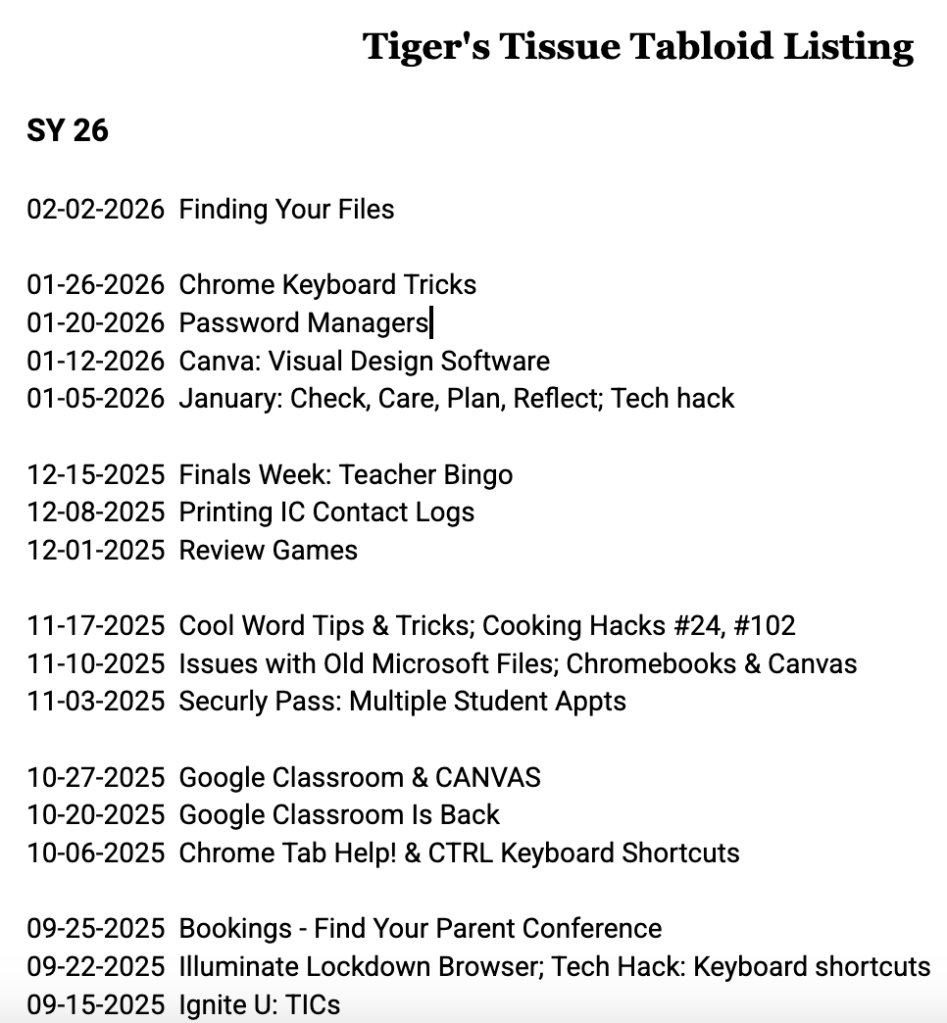
This is a partial list of the Tabloids for this school year. Occasionally, we provide silly hacks, like cooking ones before Thanksgiving.
And, some things are repeated and presented in a different way each year. Because I am a zealot about protecting your data, I introduce (and show!) about password managers every year.
I have worked on communicating my stories for years. It’s something that always needs improvement. I have been honored present locally and nationally on a number of issues. In 2024, I presented at ISTE on Using Data To Tell Your Story. In the presentation, I recommend that you think about who the story is for (audience). Next you think about what you do and how you add value (your work). With your audience in mind, and your own work acknowledged, you can build your own story.
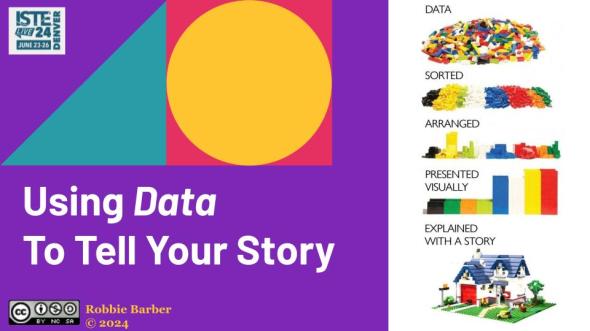
https://twitter.com/alvinfoo/status/1431458670684954629
Created by Brandon Rosen and Karen Lurie at @HotButterStudio. The last image was added later.
End of Year reports are my most common stories. You can read about the SY25 EOY. Share your stories!
 Tickling Tech