AI Location-Based Responses in Classrooms
Leave a commentJune 6, 2026 by Dr. Robbie Barber
Generative AI (GenAI) chatbots will provide different information to the same question based on the location and timing of the user request (Gumilar et al, 2024). Think about that for a minute. It means that if you ask for a recommendation on a specific cancer treatment, you will get different responses from the same AI chatbot if you are in the US or in Australia. How can that be?
It’s simple, it’s not the same chatbot. There are no regulations on chatbots that make sure the same information is located anywhere in the world. (What size would the data centers have to be for this to exist??) There are no regulations to ensure that the information for health (or anything) is unbiased (Gumilar et al, 2024). So, it matters where you are and, as it happens, GenAI knows where you are.
GenAI knows where you are located when you ask a question through computer IP addresses. It uses the closest regional data centers to the location of the end user.
How does this translate to student usage? Let’s look at examples from an in-class writing assignment (on computers) in May, 2026. GenAI was not allowed to be used for this assignment. An English teacher provided the following examples from his class. As he said, you do not have to have an advanced degree to see the similarities and weak arguments that indicate GenAI usage. In the first three examples, the students were in the same physical classroom on the same day, but at different times, doing an in-class writing prompt. In the fourth example, the student was in the same physical classroom but on the next day.
Writing Prompt: Is Marji too young to understand the change(s) in her world? Explain one particular challenge that Marji faces in the first two chapters of Persepolis and analyze how Marji responds to it.


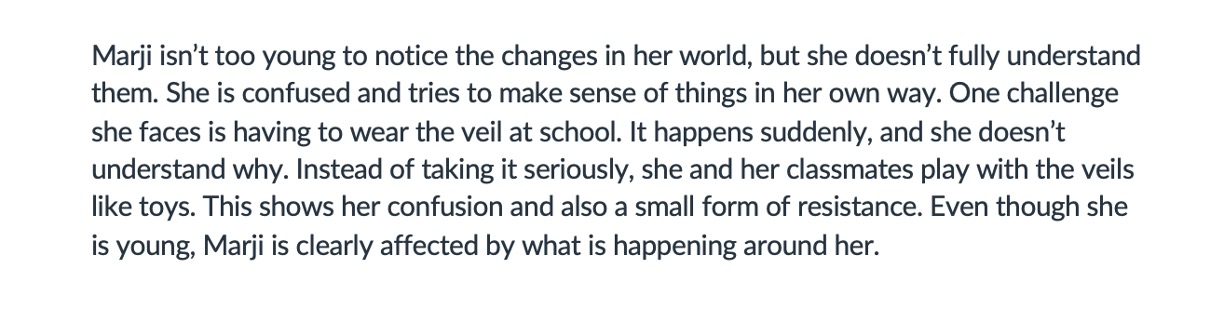
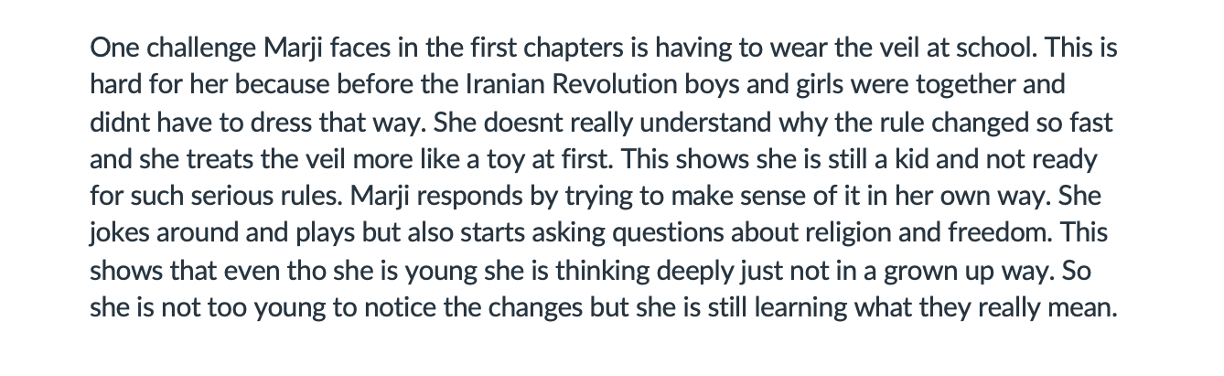
The genie is out of the bottle and students will be using GenAI. As educators we need to be actively learning and working on materials to help students navigate this brave new world. We cannot ignore it but we can provide bumper rails to help our students learn to know what is safe, what is biased, what is hallucination, and what to question. Examples like this help them understand a little better how GenAI responds to them. Would it help if you gave students an assignment to let GenAI write a paragraph response and have the students compare with each other the results?
Students and teachers need to understand their district’s licensing in terms of AI. Does the district have a Google for Education or Microsoft Education licenses? If you use GenAI within the district’s garden wall of protection, can everyone learn better about the processes? GenAI is vacuuming up personal data at an unprecedented rate and most people have no idea it is happening (Duffourc et al., 2024). When teaching students and teachers about AI, repeat these lessons over and over again. The more examples people view, the better they understand the problem.
References:
Duffourc, M. N., Gerke, S., & Kollnig, K. (2024). Privacy of personal data in the Generative AI data lifecycle. Journal of Intellectual Property & Entertainment Law, 13(2), 219–268.
Gumilar, K. E., Indraprasta, B. R., Hsu, Y.-C., Yu, Z.-Y., Chen, H., Irawan, B., Tambunan, Z., Wibowo, B. M., Nugroho, H., Tjokroprawiro, B. A., Dachlan, E. G., Mulawardhana, P., Rahestyningtyas, E., Pramuditya, H., Putra, V. G. E., Waluyo, S. T., Tan, N. R., Folarin, R., Ibrahim, I. H., & Lin, C.-H. (2024). Disparities in medical recommendations from AI-based chatbots across different countries/regions. Scientific Reports, 14(1), 1–10. https://doi-org.proxygsu-k12d.galileo.usg.edu/10.1038/s41598-024-67689-0

